Grow with Google
Editorial Team
Editorial Team

GOOGLE CAREER CERTIFICATE
AI Professional
Learn to collaborate with AI and practice using it to solve complex problems and automate workflows.
ARTICLE
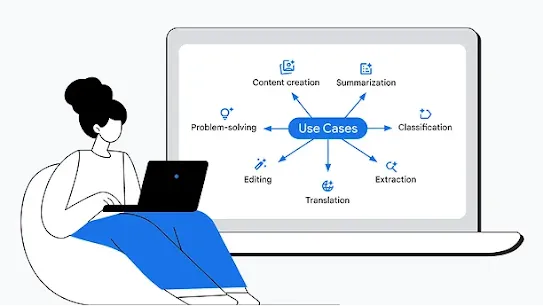
7 ways to use AI at work
Master AI prompting to automate tasks, create content, and summarize work with this streamlined guide.
COURSE
Accelerate Your Job Search with AI
Learn how to uncover your transferable skills, build a strong professional pitch, and create a standout resume.
AI COURSE
AI Essentials
Learn how to use AI to help speed up daily tasks, make more informed decisions, and develop ideas and content.
Career Tool
Career Dreamer
Discover how your unique life experiences can translate into valuable skills that employers need.
ARTICLE
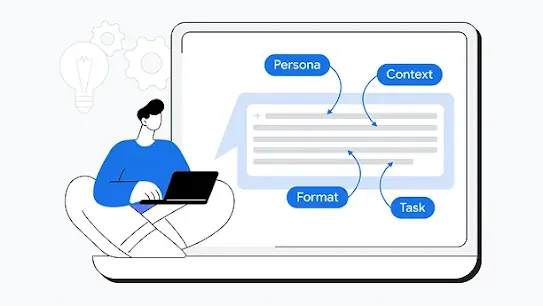
Prompting best practices
Get better results from your generative AI. Learn effective prompt writing with best practices and prompt design frameworks.
ARTICLE
Prompting techniques for better outputs
Learn how to write better prompts using powerful phrases and chaining for superior results.
By clicking subscribe, you consent to receive email communication from Grow with Google and its programs. Your information will be used in accordance with Google Privacy Policy and you may opt out at any time by clicking unsubscribe at the bottom of each communication.