Grow with Google
Editorial Team
Editorial Team

google career certificate
Google Project management Certificate
Prepare for a career in Project Management with a professional certificate from Google.
course
Google Agile Essentials
Build a foundational project management skill set and learn how to lead an agile team with confidence.
article
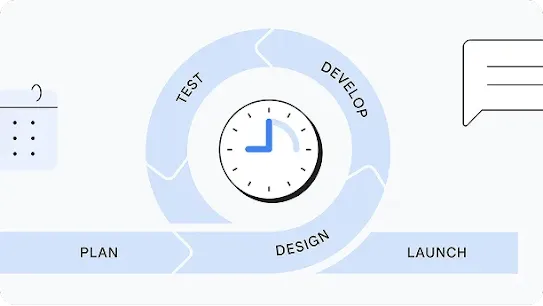
What is Agile in project management?
Agile suits fast-changing projects by boosting flexibility, teamwork, and quick, adaptive progress.
Career Tool
Career Dreamer
Discover how your unique life experiences can translate into valuable skills that employers need.
ARTICLE
How to prepare for an interview
Learn about interview prep questions, tips and tactics and how to get started with AI-powered interview training.
By clicking subscribe, you consent to receive email communication from Grow with Google and its programs. Your information will be used in accordance with Google Privacy Policy and you may opt out at any time by clicking unsubscribe at the bottom of each communication.