Grow with Google
Editorial Team
Editorial Team

Link to Youtube Video (visible only when JS is disabled)
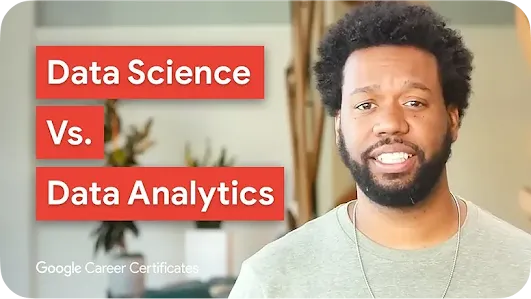
Although they are commonly mixed up, the roles of a data scientist and a data analyst are very different.
Link to Youtube Video (visible only when JS is disabled)
Understanding business context is key in data analysis, and a non-traditional background can offer valuable perspective when starting your career.
Ask: Whether you’re being asked to undertake an analysis, or you’re initiating it yourself, start by defining the business problem and the questions to be answered. This stage is about understanding the business needs, objectives, and any constraints. The ask step may include:
Prepare: This stage focuses on gathering and organizing the data needed for analysis. It involves identifying data sources, collecting the data, and ensuring it's in a usable format. The prepare step may include:
Process: This stage involves cleaning and transforming the raw data into a format suitable for analysis. The process step may involve:
Analyze: This is when the core data analysis takes place. It involves using various techniques and tools to explore the data to identify patterns, trends, and relationships, as well as draw conclusions. The analyze step may include:
Share: A skilled analyst will communicate findings clearly and effectively to stakeholders, making conclusions easy to understand, even when informed by a complicated analysis. The share step may include:
Act: This final stage involves putting the insights gained from the analysis into action. It's about using the findings to make informed decisions, implement changes, and solve the original problem or answer the initial question. This may include:
The stages above will be a helpful framework for answering business questions large and small, but it’s important to be flexible. Not all analytical questions need the same level of depth, and it’s easy to get caught up in creating the perfect analysis that answers every question while the analytical process is only as long as it needs to be.
Google career certificate
Google Data Analytics Certificate
Learn the foundations of data analytics, and get job-ready skills to kick start your career in a fast-growing field.
video
Get a taste of data analytics
Take a peek into our data analytics certificate, and get an overview of the field as a whole.
career tool
Career Dreamer
Discover how your unique life experiences can translate into valuable skills that employers need.
article
How to prepare for an interview
Learn about interview prep questions, tips and tactics and how to get started with AI-powered interview training.
By clicking subscribe, you consent to receive email communication from Grow with Google and its programs. Your information will be used in accordance with Google Privacy Policy and you may opt out at any time by clicking unsubscribe at the bottom of each communication.