career dreamer icon
career development

Guide to lifelong learning

The job market is constantly changing. New technologies emerge and industries evolve, giving rise to novel skillsets. Practicing lifelong learning helps you stay relevant, adaptable, and competitive in any market. Whether you’re just starting out or well into your career, proactively investing in new skills and knowledge helps you design your future and stay prepared for whatever’s next.
December 10, 2025
5-minute read

What is lifelong learning?

Lifelong learning is a mindset of continuous development that drives you to explore new ideas, gain new skills, and constantly expand your understanding of yourself and the world. It's a proactive and intentional approach to personal and professional growth that goes beyond the classroom.

Lifelong learning is also about actively seeking opportunities to learn and grow in all aspects of your life. Whether it's taking an online course to master a new skill, attending a workshop to connect with like-minded individuals, or engaging in conversations that challenge your assumptions, there are lots of ways to turn learning into a lifestyle.

The true value of lifelong learning is more than just staying competitive in the job market – it's about taking control of your future. Continuously gaining new skills and pursuing interests can help you identify your true passions, open up new career paths, and create a life that reflects your genuine interests and values.

How to adopt a growth mindset

A growth mindset is the belief that your abilities and intelligence can be developed through dedication and hard work. It values effort over talent and rejects the idea that our abilities are fixed and unchangeable.

Having a growth mindset is fundamental to lifelong learning, because when you believe in your ability to learn and grow, you’re more likely to embrace challenges. The growth mindset is based on a few core tenets:

  • Welcoming new challenges: Growth is adaptation. A growth mindset means you view challenges as opportunities to develop and refine new skills. To lifelong learners, most obstacles are just signposts pointing the way forward.

  • Rejecting limiting beliefs: Having a growth mindset means believing hard work and dedication will always outpace natural talent. You challenge the notion that you’re "not good” at something, and embrace the idea that you can learn to get better over time, as long as you apply dedicated effort.

  • Nurturing your passions: When you’re passionate about something, you will invest the time and effort needed to master it. Listing out your own interests and curiosities and pursuing them can help you naturally develop a growth mindset that drives you forward.

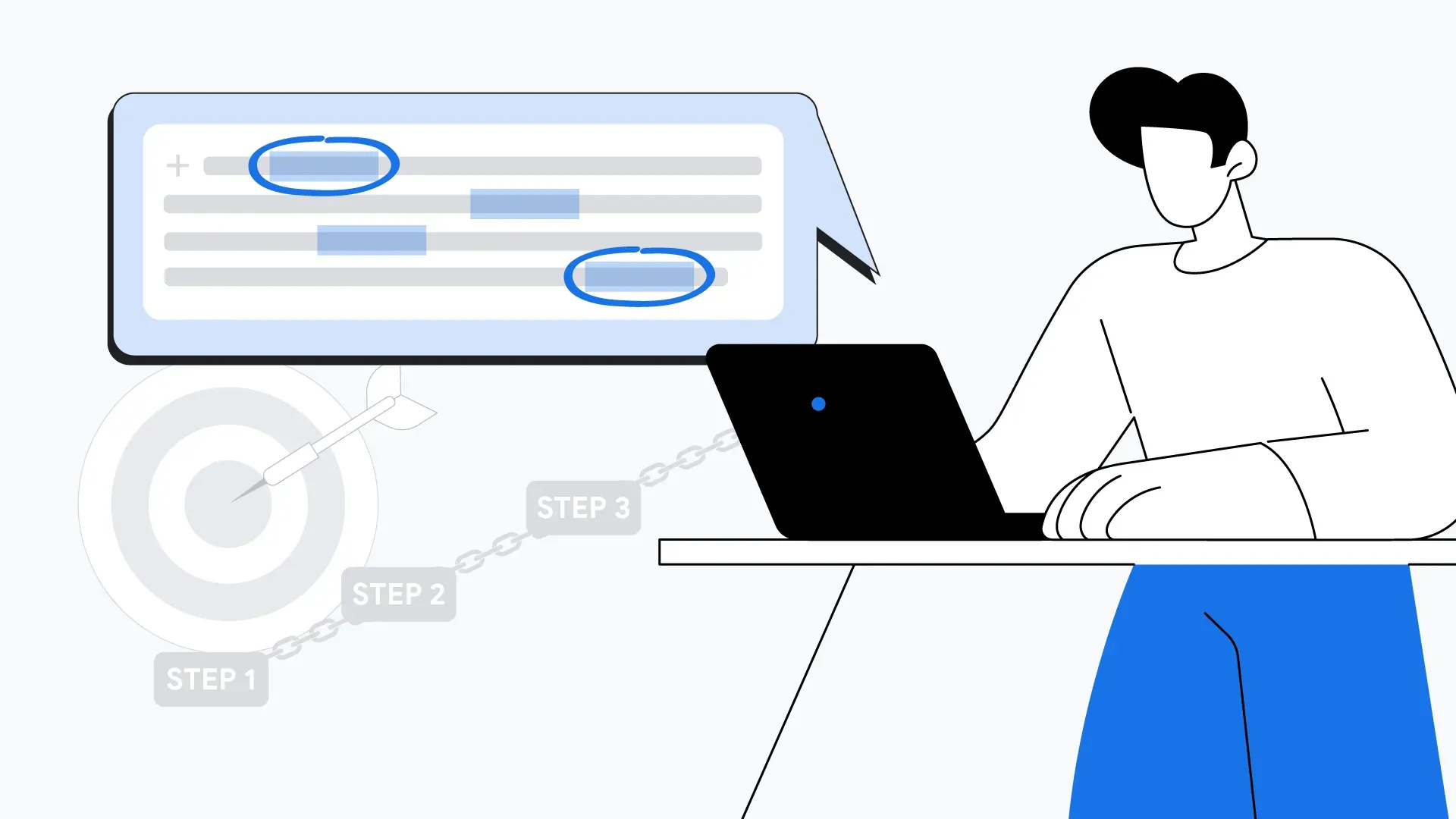
  • Setting goals and measuring progress: Setting highly-specific learning goals can help you measure your progress over time. Seeing evidence of your growth, in turn, reinforces the belief that hard work leads to mastery. A helpful framework for setting goals is to make them SMART (specific, measurable, achievable, relevant, and time-bound).
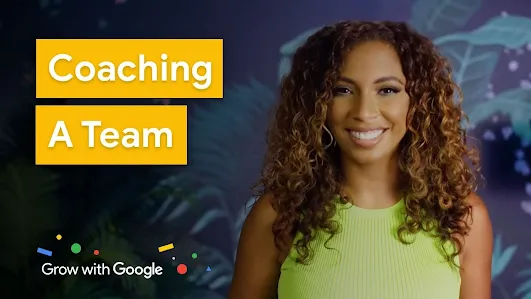
"Coaching A Team" text next to a smiling woman.

Upskilling vs reskilling: When to do which

Upskilling and reskilling are two important strategies for lifelong learning. Both involve developing new skills but for different purposes. Here’s a quick breakdown of each:

  • Upskilling means enhancing your existing skills to improve performance in your current role. For example, a digital marketer might upskill by taking a course on E-commerce or data analytics. Upskilling is a good strategy to improve job performance, increase your earning potential, or stay ahead of the curve in your industry.

  • Reskilling involves learning entirely new skills to transition to a different role or career. For example, a customer support specialist might reskill by learning software development or cybersecurity. Reskilling might be the right option if you’re looking to change careers, enter a new industry, or adapt to a changing job market.

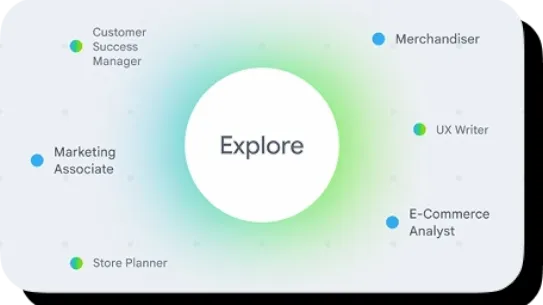
Unsure whether you should upskill or reskill? Career Dreamer, an experimental tool from Grow with Google, uses AI to help you uncover your skills and explore new career possibilities in a simple and playful way.

How to upskill or reskill at any point in your career

No matter where you are in your career, being a lifelong learner involves regularly going through periods of upskilling and reskilling. With a strategic approach and the right resources, these can be highly rewarding experiences. Here’s how you might go about it:

  • Identify skill gaps: Identify the skills you need to reach your career goals. Use Career Dreamer to reveal your transferable skills and potential for growth, then analyze job descriptions in your desired field and seek feedback from mentors or colleagues to see where your gaps are.

  • Set clear learning goals: Based on your self-assessment, define what you want to achieve through upskilling or reskilling. Be specific and realistic, and break down larger goals into smaller, manageable steps with clearcut timelines. For example, your goal could be “I want to complete a certificate in project management in the next three months.”

  • Choose appropriate training: Next, select training programs that align with your learning goals and preferred learning style. Consider online courses, workshops, community college classes, or professional certificate programs. Google Career Certificates offer valuable training in a variety of in-demand fields, equipping you with a versatile set of skills to grow your career prospects.

  • Network and seek mentorship: Connect with professionals in your desired field and seek guidance from experienced mentors. Networking may yield valuable insights, advice, and support as you navigate your upskilling or reskilling journey.

  • Embrace the process: Finally, remember that upskilling and reskilling require time, effort, and dedication. Cultivate an effective growth mindset – embrace the challenges, celebrate your successes, and remember that every step you take is an investment in your future.

Learn more

Lifelong learning is about empowering yourself to take control of your future and create a life that reflects your passions. To get started, use Career Dreamer to help uncover your skills and explore new career possibilities, then head to Grow with Google to find helpful resources for reskilling and upskilling.