Grow with Google
Editorial Team

Career development isn't just about getting a promotion; it's the process of managing your professional growth and proactively shaping a fulfilling career path. Understanding how to actively develop key aspects of your career is fundamental to achieving your long-term goals.
December 11, 2025 7-minute read
Editorial Team

By clicking subscribe, you consent to receive email communication from Grow with Google and its programs. Your information will be used in accordance with Google Privacy Policy and you may opt out at any time by clicking unsubscribe at the bottom of each communication.
Career development is the continuous process of learning, adapting, and evolving your skills over the course of your career. It’s also about becoming more self-aware about your values and strengths. This means regularly assessing gaps in your knowledge or skills and then doing the work to bridge those gaps.
That includes things like:
Think of your career like a journey: without a map, it’s easy to get sidetracked, miss out on key opportunities, or otherwise not know where you’re going. Taking the time to develop a career plan gives you that roadmap, helping you clarify your direction and maximize the progress you make toward your long-term goals. Here are the steps to create a strategy that works for you:
1. Conduct a self-assessment
Start by identifying your skills, passions, values, and personality traits. Ask yourself: “What kinds of things am I good at? What skills have I picked up that might apply to my career aspirations? What matters to me most in my career?”
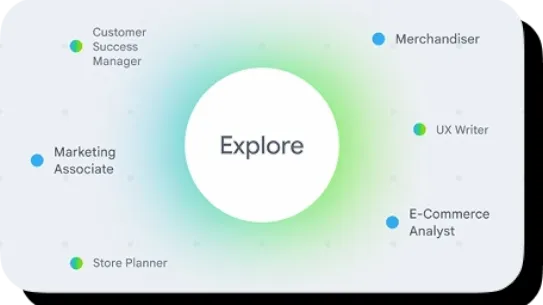
These can be challenging questions. Tools like Career Dreamer, an experimental tool from Grow with Google, can help. It analyzes your transferable skills and potential for growth to help you confidently imagine where you could go next.
2. Set professional development goals
Setting professional development goals is crucial for career advancement, helping you stay focused on achieving your ambitions. A useful framework for goal-setting is SMART (Specific, Measurable, Achievable, Relevant, and Time-bound).
For example, instead of “I want to become a project manager,” your SMART goal might be, “I will learn about project management over the next six months and use those skills to lead a cross-functional project within a year.”
As you explore different career paths with a tool like Career Dreamer, you can see how your unique background connects to them. This exploration can highlight skills you're interested in developing, forming a great foundation for your professional development goals.
Link to Youtube Video (visible only when JS is disabled)
3. Create an action plan
Once you’ve set your goals, it’s time to get specific about how you’ll achieve them. If your goal is to learn about project management, how exactly will you do that? There are a number of resources available, like mentorship, coaching, or online learning with a program like Grow with Google, where you can pick up skills and certificates in valuable fields like project management, data analytics, digital marketing, and more.
Once you’ve settled on a plan, put it into action. This stage might involve taking courses, attending networking events, or seeking out new challenges that showcase your skills. It may also be a time to try something new. You never know what you might learn or what kinds of opportunities might unfold.
4. Refine as needed
A career plan is a living document. Regularly review your progress, seek feedback from trusted peers and mentors, and revise your plan as needed. If you’re an aspiring project manager, you may find that the foundational project management knowledge you gained organically throughout your career is a good start, but your organization uses the Agile methodology specifically. You could consider adjusting your plan to learn that skill, rounding out your project management expertise.
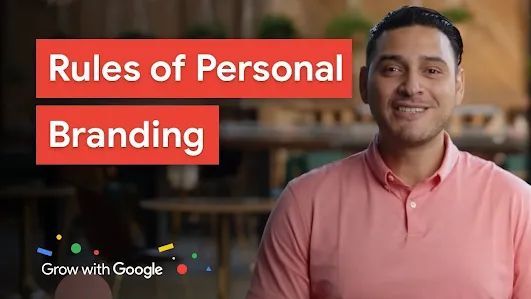
Think of your professional brand as the reputation that precedes you. It represents how you’re perceived by your colleagues and superiors, and it should ideally showcase your skills, experience, and values in a way that inspires respect and confidence. A strong professional brand can help you stand out from a crowd of equally-qualified candidates.
Here are a few basics of a strong professional brand:
There are numerous resources such as books, courses, or industry peers to help you develop your professional brand. Additionally, Career Dreamer can help you draft a “career identity,” which is the unique value you bring to the workforce, informed by your life and work experience and shaped by your strengths, motivations, and interests. You could use this as a starting point when crafting your personal brand. Just remember that your professional brand is a living thing, so it’s constantly being cultivated through your actions, communication, and interactions.
Link to Youtube Video (visible only when JS is disabled)
Networking is a crucial part of career development. It allows you to learn from others, and uncover new opportunities. Here are a few tips for effective networking:
A job interview is your chance to shine and make a positive impression on your potential employer. While it’s often considered a high-stress situation, the right preparation can help boost your confidence and your chances of success. Here’s how:
When preparing for an interview, you might want to consider Career Dreamer’s “Explore Paths” feature, where you can uncover a variety of careers that might align with your unique background, and delve deeper into those that interest you. This can help you see which of your existing skills and experiences makes you a good candidate, so that you can highlight those points during your interview. You can read more about how to prepare for an interview here.
Career development is a continuous journey, deeply rooted in self-awareness. Understanding your strengths and areas for growth is crucial. From there, it's about strategic planning, proactive execution, and embracing new experiences and challenges. Grow with Google’s Career Dreamer can be an invaluable tool, helping you explore options and uncover skills and opportunities you might otherwise overlook.
CAREER TOOLS
Career Dreamer
Discover how your unique life experiences can translate into valuable skills that employers need.
Article
Guide to changing careers
Learn practical steps, important considerations, and how Grow with Google’s Career Dreamer can help along the way.
ARTICLE
How to choose a career path
Go beyond basic career planning and use AI to discover careers that suit your skills.
ARTICLE
Guide to lifelong learning
Learn how a growth mindset and continuous learning help you stay competitive in any job market.
Article
How to prepare for an interview
Learn about interview prep questions, tips and tactics and how to get started with AI-powered interview training.
By clicking subscribe, you consent to receive email communication from Grow with Google and its programs. Your information will be used in accordance with Google Privacy Policy and you may opt out at any time by clicking unsubscribe at the bottom of each communication.