Grow with Google
Editorial Team

Switching jobs or making a career change can feel daunting, but you're not alone. Whether you're researching how to make a career change for a better work-life balance or to find something more aligned with your skills or values, this guide outlines the essential steps you need to begin your journey.
Editorial Team
December 10, 2025 . 8-minute read


By clicking subscribe, you consent to receive email communication from Grow with Google and its programs. Your information will be used in accordance with Google Privacy Policy and you may opt out at any time by clicking unsubscribe at the bottom of each communication.
A career change is a transition from one profession to another. It typically involves learning and using new skills and knowledge. While switching jobs may mean doing similar work at a different company, making a career change tends to be more holistic.
Why make a career change?
There are a lot of reasons that inspire a career change. Here are some of the most common:
Better pay: A career change can potentially help you increase your income and achieve your financial goals.
It’s common to feel the need to make a change for any, or even several, of these reasons over time as your priorities change, and as you grow as a professional.
After understanding the reasons why you’re considering a career change, it’s time to start digging a little deeper. This isn’t just about switching jobs, it’s about understanding how you want to change your professional identity. Here’s where you can start:
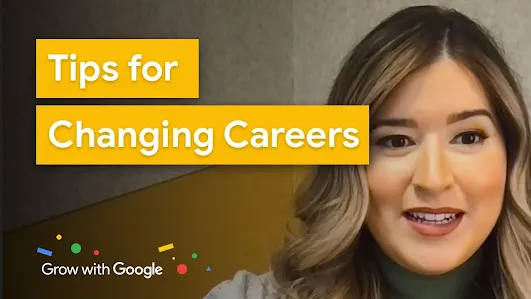
Link to Youtube Video (visible only when JS is disabled)
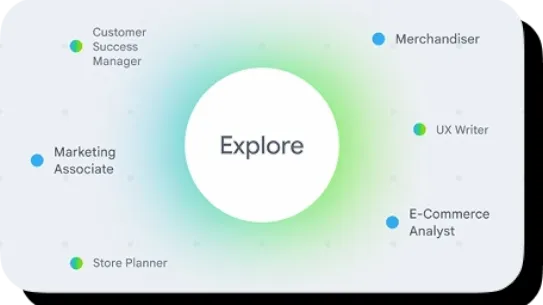
Career Dreamer, an experimental tool from Grow with Google, uses AI to help you explore new career possibilities. Researching new careers and assessing your current skills used to be a fairly large, manual task. Career Dreamer can help make it easier.
First, the tool will ask you questions about your current or previous roles, education, skills, and interests to create a “Career Identity Statement” that emphasizes your unique strengths. Career Dreamer makes self-assessment interactive, helping you understand your career and tell your story in an efficient and engaging way.
Next, it’ll create a map of career possibilities that match your experience, education, skills, and interests. You can then click on each one to get a summary of how it fits your unique background, and even find job listings for that role in your area.
Finally, if you’re ready to take the next step, find personalized starter prompts and jump to Gemini – your AI assistant from Google. There, you can explore careers in greater depth, workshop your resumes, or write compelling cover letters.
Next, it’s time to create a career change action plan. A good plan follows the SMART framework: specific, measurable, achievable, relevant, and time-bound. Here's what that looks like:
Along with creating and working on your SMART career change goals, here are a few other things to potentially work on:
As an aspiring career changer, a few strategic resume tweaks can help you communicate your value more clearly and confidently. That means effectively highlighting your transferable skills, tailoring the resume to specific job requirements, and writing a compelling career statement. Luckily these are all things Career Dreamer and its “Jump to Gemini” feature can help with. Here are some pointers on getting started with each:
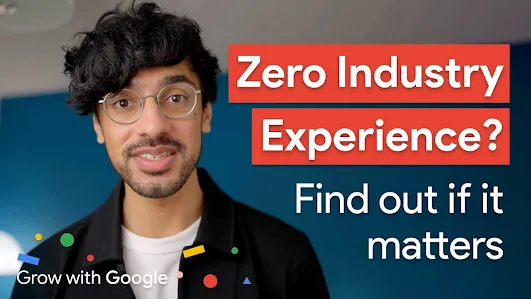
Link to Youtube Video (visible only when JS is disabled)
Transferable skills – or, all the things you’ve learned from previous roles and life experiences – are a genuine super power for your career changer resume. The real key, however, is to also show potential employers just how these skills translate to the new role instead of just listing them. For example, instead of just saying you have “strong communication skills,” try something like “Successfully managed client relationships in a fast-paced environment that required clear communication and trust to close deals.”
Start by carefully reviewing the job description and identifying key skills and qualifications the employer is looking for. Then, try to organically integrate those keywords throughout your resume – this is something Gemini can help with. This shows employers that you understand what they’re looking for. For example, if a job description mentions “project management” or “Agile methodology,” it’ll help to list any projects you’ve taken lead on and mention any potential experience with other project management frameworks like Kanban or Scrum.
A career identity statement – sometimes called a resume summary, personal statement, or elevator pitch – is your chance to create a narrative that connects the dots between your varied experiences and your new desired career. This type of message is something you can communicate in a cover letter or during an interview, and it will enable you to explain why you’re making a career change, highlight particularly relevant skills, and generally clarify how your past has prepared you for a bright future in this field. Career Dreamer is designed to help you generate a compelling statement after answering just a few brief questions.
Choosing a new career is one of the most significant decisions you can make, and it will be a highly individualized choice based on your goals, experience, and skills. While Career Dreamer can help you discover a specific role that aligns with your unique background, you can also proactively consider other factors such as the industry you want to work within, and the foundational skill sets that can help you make the transition.
When planning a career pivot, consider how your existing skillset translates to other industries and their specific job requirements. While roles in technology or e-commerce may rely on foundational competencies like critical thinking and project management, the financial sector may involve stricter requirements such as formal certifications. It is helpful to identify where your transferable skillset can be fully utilized – such as applying administrative efficiency to a healthcare setting, or adapting customer service experience for digital retail.
Beyond exploring specific industries, another effective approach to making a career transition is to acquire versatile skills that are in-demand across a wide array of fields. These foundational skills align with functional roles like data analysis, project management, and digital marketing, but can add value to a wide array of career fields. By learning these highly portable skills, you can strategically apply your expertise in diverse fields, whether it's finance, non-profit, healthcare, or technology.
Making a successful career change comes down to two main things: recognizing and clearly describing the transferable skills you've gained in your previous roles, and learning new skills (like project management, data analysis, or IT support) to fill any gaps for the career you're aiming for. When you combine the strategy of looking at accessible industries with mastering these versatile skills, you create a clear, achievable plan for your transition.
Making a career change can be an extremely rewarding experience. By carefully considering your options, developing a solid action plan, and leveraging available resources, you can navigate your career transition with confidence.
Discover your potential with Career Dreamer
Check out the experimental Career Dreamer tool from Grow with Google to discover potential career paths tailored to your background.
Acquire in-demand skills with Google Career Certificates
Explore Grow with Google Career Certificates to gain the foundational, job-ready skills needed to succeed in fields like data analytics, IT support, and cybersecurity.
CAREER TOOLS
Career Dreamer
Discover how your unique life experiences can translate into valuable skills that employers need.
ARTICLE
How to choose a career path
Go beyond basic career planning and use AI to discover careers that suit your skills.
ARTICLE
Guide to lifelong learning
Learn how a growth mindset and continuous learning help you stay competitive in any job market.
AI COURSES
AI Essentials
Learn how to use AI to help speed up daily tasks, make more informed decisions, and develop ideas and content.
By clicking subscribe, you consent to receive email communication from Grow with Google and its programs. Your information will be used in accordance with Google Privacy Policy and you may opt out at any time by clicking unsubscribe at the bottom of each communication.